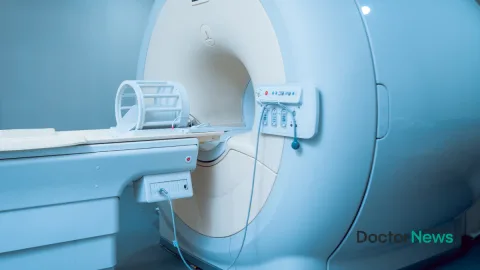
Medical Imaging Explained: MRI, CT, X-Ray, Ultrasound
How medical imaging works: X-ray, CT, MRI, ultrasound, nuclear medicine and PET compared — what each detects, radiation exposure, and how images are interpreted.
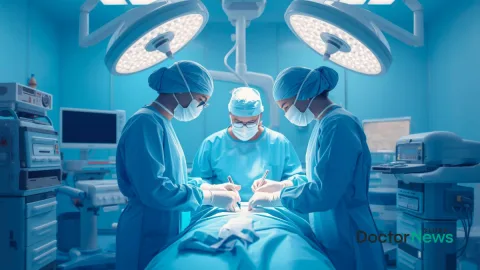
Machine learning systems are now used to read scans, flag deteriorating patients and draft clinical notes. What they have in common is that they learn from historical data, which means they inherit whatever that data recorded — including patterns of care that were unequal.
We report on what these systems have been shown to do under trial conditions, how they behave in the hospitals that deploy them, and who is accountable when one is wrong.
How medical imaging works: X-ray, CT, MRI, ultrasound, nuclear medicine and PET compared — what each detects, radiation exposure, and how images are interpreted.

Medical diagnostics explained: laboratory tests, molecular and point-of-care diagnostics, imaging, sensitivity and specificity, screening, and companion diagnostics.
Artificial intelligence in healthcare: where AI is used, what the evidence shows, regulation of AI medical devices, bias and safety risks, and governance requirements.
How AI supports medical diagnosis and clinical decision-making: imaging, pathology, ECG, risk prediction, validation requirements, and clinician oversight.
How technology is changing hospitals and healthcare services: EHRs, imaging, automation, AI, virtual wards, robotics — with evidence, limits and implementation lessons.