
Health Data
Healthcare Data and Interoperability Explained
How health systems share patient data: interoperability levels, HL7 FHIR, SNOMED CT, LOINC, DICOM, health information exchange, privacy law and barriers.
Every country answers the same three questions differently: who is covered, what is covered, and who pays. The answers produce systems that look nothing alike and that perform differently on access, cost and outcome.
Our coverage compares how systems are financed and organised, and what those choices mean for the people inside them.
How health systems share patient data: interoperability levels, HL7 FHIR, SNOMED CT, LOINC, DICOM, health information exchange, privacy law and barriers.
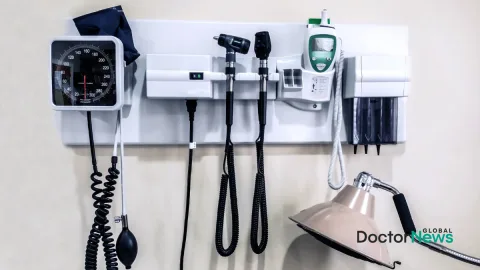
How healthcare systems work: financing models, levels of care, providers, regulation and how single-payer, insurance-based and mixed systems differ worldwide.

How hospitals work: clinical departments, emergency and surgical pathways, diagnostic and support services, governance, patient flow and quality and safety systems.

Value-based healthcare explained: how outcomes-per-cost differs from fee-for-service, payment models, outcome measurement, evidence to date and known criticisms.
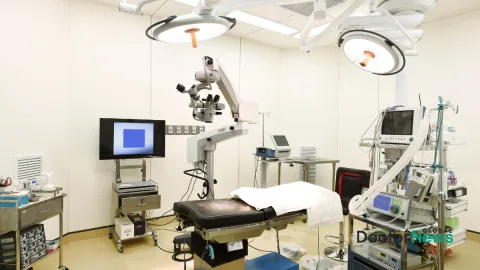
The healthcare workforce explained: clinical, allied health, nursing, public health and support roles, training pathways, regulation and global workforce shortages.

How outbreaks are detected and controlled: surveillance systems, verification, epidemiological investigation, IHR obligations, containment measures and response gaps.