
Medical Robotics
How Medical Robots Are Transforming Surgery
Robotic surgery explained: how surgical robots work, where they are used, evidence on outcomes, training and costs, and what autonomy in the operating room means.
Hospitals are among the most complex organisations in any economy: continuous operation, high stakes, and a workforce of specialists whose work has to be coordinated in real time. Most of what a patient experiences as care quality is decided by operations.
We report on capacity, patient flow, staffing and the conditions under which hospitals cope or fail to.
Robotic surgery explained: how surgical robots work, where they are used, evidence on outcomes, training and costs, and what autonomy in the operating room means.
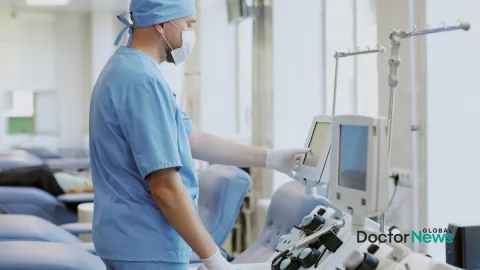
How hospitals work: clinical departments, emergency and surgical pathways, diagnostic and support services, governance, patient flow and quality and safety systems.

Value-based healthcare explained: how outcomes-per-cost differs from fee-for-service, payment models, outcome measurement, evidence to date and known criticisms.
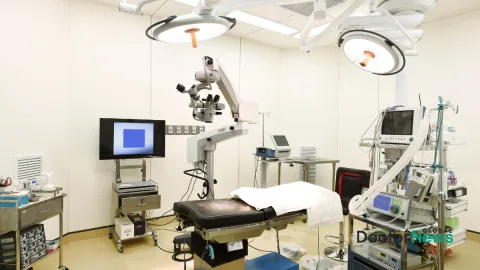
The healthcare workforce explained: clinical, allied health, nursing, public health and support roles, training pathways, regulation and global workforce shortages.
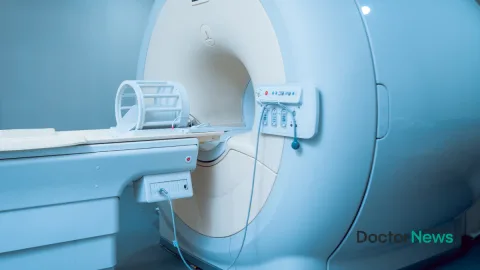
How technology is changing hospitals and healthcare services: EHRs, imaging, automation, AI, virtual wards, robotics — with evidence, limits and implementation lessons.