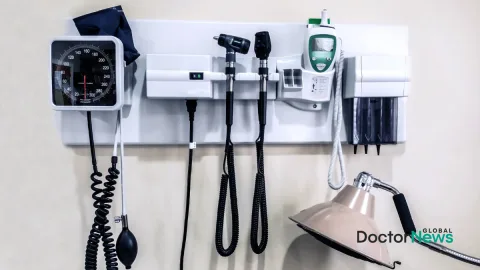
Healthcare
How Does the Healthcare System Work? A Guide
How healthcare systems work: financing models, levels of care, providers, regulation and how single-payer, insurance-based and mixed systems differ worldwide.
Primary care is the first point of contact with a health system and, in most well-performing systems, the place where care is coordinated over time rather than episode by episode. Systems with a strong primary care base tend to achieve better outcomes at lower cost, which is among the more consistent findings in health services research.
Our reporting follows access, workforce and continuity, since these are what determine whether primary care performs the coordinating role that the evidence credits it with.
How healthcare systems work: financing models, levels of care, providers, regulation and how single-payer, insurance-based and mixed systems differ worldwide.

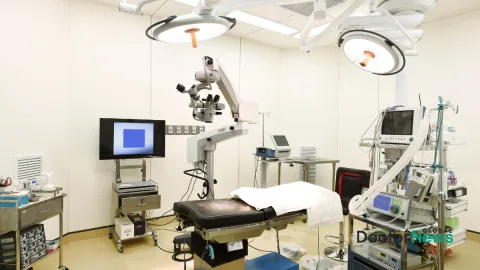
How hospitals work: clinical departments, emergency and surgical pathways, diagnostic and support services, governance, patient flow and quality and safety systems.
The healthcare workforce explained: clinical, allied health, nursing, public health and support roles, training pathways, regulation and global workforce shortages.

Health equity explained: what it means, how it differs from equality, social determinants of health, global and within-country disparities, and what actually works.