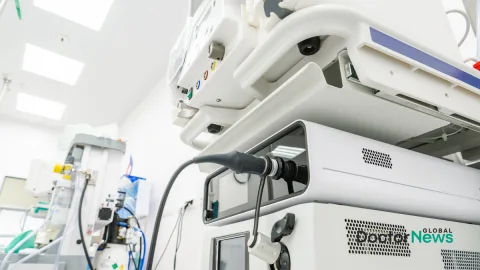
What Are Medical Devices? Types, Classes, Regulation
Medical devices explained: what counts as a device, risk classes, how FDA and EU MDR regulation works, software as a medical device, and post-market surveillance.

Devices are regulated by risk class, and the evidence required for the highest classes approaches what a medicine must show. The lower classes reach the market on far less, which is where most public argument about device safety sits.
We report on how classification works, what post-market surveillance is supposed to catch, and how regulators in different regions have diverged.
Medical devices explained: what counts as a device, risk classes, how FDA and EU MDR regulation works, software as a medical device, and post-market surveillance.

Robotic surgery explained: how surgical robots work, where they are used, evidence on outcomes, training and costs, and what autonomy in the operating room means.
How medical device innovation works: needs identification, prototyping, design controls, risk management, clinical evaluation, regulatory approval and adoption.
Medical diagnostics explained: laboratory tests, molecular and point-of-care diagnostics, imaging, sensitivity and specificity, screening, and companion diagnostics.
How healthcare regulation works: who regulates professionals, providers, medicines, devices and data, how rules are enforced, and why regulatory systems differ.
How medical device regulation works: risk classification, FDA pathways, EU MDR and notified bodies, clinical evidence, software rules and post-market surveillance.