
Medical Robotics
How Medical Robots Are Transforming Surgery
Robotic surgery explained: how surgical robots work, where they are used, evidence on outcomes, training and costs, and what autonomy in the operating room means.
Most health technology that fails does not fail technically. It fails on workflow misfit, inadequate training, poor integration with existing systems, absent reimbursement, and insufficient attention to the people expected to use it. The evidence on this is consistent enough to be predictive.
We cover adoption as its own subject because approval and evaluation say nothing about whether a technology will be used, and because the gap between a working device and a working service is where most of the money goes.
Robotic surgery explained: how surgical robots work, where they are used, evidence on outcomes, training and costs, and what autonomy in the operating room means.

How medical device innovation works: needs identification, prototyping, design controls, risk management, clinical evaluation, regulatory approval and adoption.
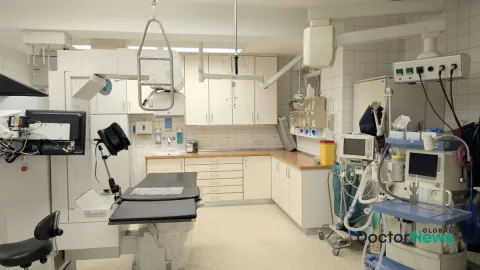
Digital health explained: telehealth, EHRs, mHealth, wearables, remote monitoring and health data — what the technologies do and what evidence supports them.
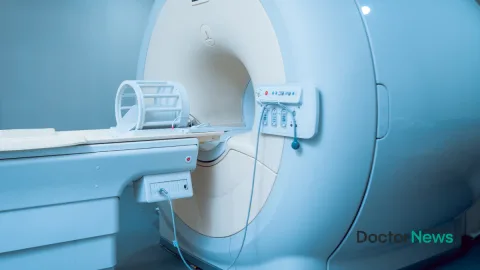
How technology is changing hospitals and healthcare services: EHRs, imaging, automation, AI, virtual wards, robotics — with evidence, limits and implementation lessons.