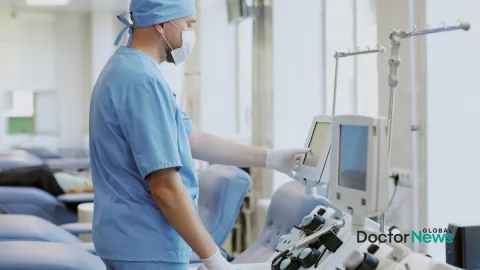
Medical Imaging Explained: MRI, CT, X-Ray, Ultrasound
How medical imaging works: X-ray, CT, MRI, ultrasound, nuclear medicine and PET compared — what each detects, radiation exposure, and how images are interpreted.

Avoidable harm in healthcare is a systems problem. Checklists, escalation protocols, incident reporting, infection prevention and safe staffing prevent more harm than individual vigilance does, and the recurring finding is that the same failures recur in different institutions for the same structural reasons.
We include technology in this topic rather than beside it: use error is a recognised source of device harm, alert fatigue is a property of deployed systems, and a hospital's digital dependence makes an outage a clinical event.
How medical imaging works: X-ray, CT, MRI, ultrasound, nuclear medicine and PET compared — what each detects, radiation exposure, and how images are interpreted.

Robotic surgery explained: how surgical robots work, where they are used, evidence on outcomes, training and costs, and what autonomy in the operating room means.
How medical device innovation works: needs identification, prototyping, design controls, risk management, clinical evaluation, regulatory approval and adoption.
Artificial intelligence in healthcare: where AI is used, what the evidence shows, regulation of AI medical devices, bias and safety risks, and governance requirements.
How hospitals work: clinical departments, emergency and surgical pathways, diagnostic and support services, governance, patient flow and quality and safety systems.