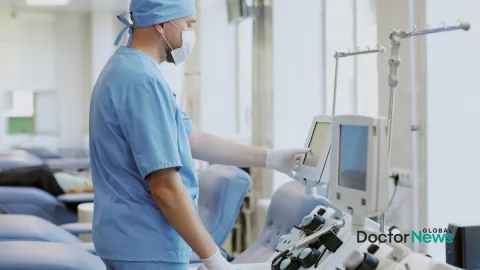
Hospitals
How Hospitals Work: Departments and Operations
How hospitals work: clinical departments, emergency and surgical pathways, diagnostic and support services, governance, patient flow and quality and safety systems.
How hospitals work: clinical departments, emergency and surgical pathways, diagnostic and support services, governance, patient flow and quality and safety systems.
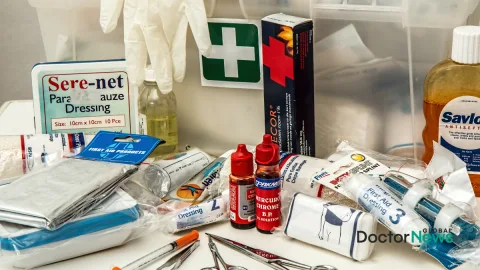
Value-based healthcare explained: how outcomes-per-cost differs from fee-for-service, payment models, outcome measurement, evidence to date and known criticisms.
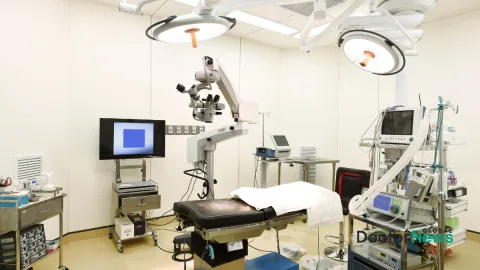
The healthcare workforce explained: clinical, allied health, nursing, public health and support roles, training pathways, regulation and global workforce shortages.
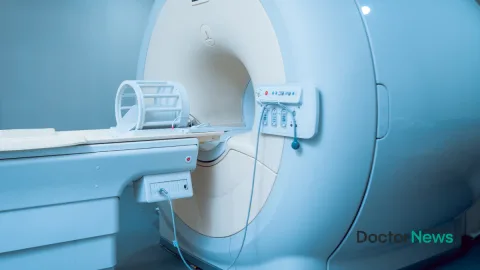
How technology is changing hospitals and healthcare services: EHRs, imaging, automation, AI, virtual wards, robotics — with evidence, limits and implementation lessons.
How healthcare regulation works: who regulates professionals, providers, medicines, devices and data, how rules are enforced, and why regulatory systems differ.
What the FDA does: regulating medicines, biologics, medical devices, food and tobacco, how review and inspection work, its centres, powers and known criticisms.
What the European Medicines Agency does: the centralised procedure, CHMP and PRAC, marketing authorisation, pharmacovigilance, and how EMA differs from the FDA.

FDA and EMA regulatory pathways compared: standard and expedited routes, evidence requirements, decision structures, and why approvals differ between regions.

How medical device regulation works: risk classification, FDA pathways, EU MDR and notified bodies, clinical evidence, software rules and post-market surveillance.

Global health explained: definition, how it differs from international and public health, key actors, financing, major priorities and persistent structural challenges.
The major global health challenges: NCDs, antimicrobial resistance, pandemic risk, workforce shortages, climate change, mental health and health financing gaps.
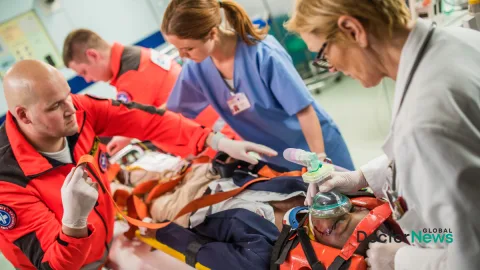
How outbreaks are detected and controlled: surveillance systems, verification, epidemiological investigation, IHR obligations, containment measures and response gaps.
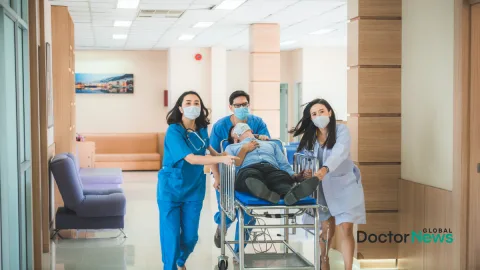
How global immunization programs work: herd immunity, cold chain, delivery systems, WHO and Gavi roles, vaccine safety monitoring and barriers to coverage.

Health equity explained: what it means, how it differs from equality, social determinants of health, global and within-country disparities, and what actually works.

Clinical research explained: what it is, the main study types, how trials are regulated and reviewed, and how evidence reaches clinical practice.