Clinical Trials
What Is a Clinical Trial? Phases and How They Work
A clear guide to clinical trials: what they are, the four phases, who can take part, how randomization and blinding work, and how participants are protected.
A clear guide to clinical trials: what they are, the four phases, who can take part, how randomization and blinding work, and how participants are protected.

A practical guide to reading medical research: study design, sample size, p-values, confidence intervals, absolute vs relative risk, bias, and conflicts of interest.

Clinical trial phases explained: what happens in Phase 1, 2, 3 and 4, how each stage is designed, and how trial evidence supports FDA and EMA approval.

How randomized controlled trials work: randomization, blinding, control groups, intention-to-treat analysis, and why RCTs are the standard for testing treatments.

How new drugs are developed: target discovery, preclinical testing, clinical trials, regulatory review by FDA and EMA, manufacturing, and post-approval monitoring.

The drug development process from laboratory research to patients: translational research, decision gates, who does what, and how a medicine reaches clinical use.
Clinical trial phases in drug development: what evidence each phase produces, how go/no-go decisions are made, and how phases differ for biologics and vaccines.
How drug approval works: what regulators assess, how FDA and EMA review differ, expedited pathways, conditional approvals, and what happens after authorisation.
How biotechnology companies develop new treatments: biologics, monoclonal antibodies, mRNA, cell and gene therapy, manufacturing, funding, and regulation.

Medical devices explained: what counts as a device, risk classes, how FDA and EU MDR regulation works, software as a medical device, and post-market surveillance.
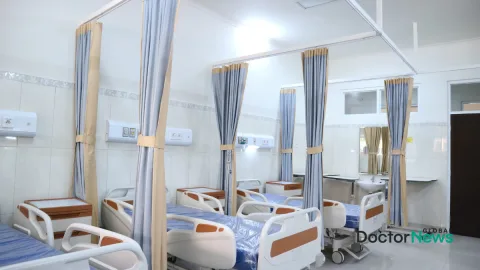
How medical imaging works: X-ray, CT, MRI, ultrasound, nuclear medicine and PET compared — what each detects, radiation exposure, and how images are interpreted.

Robotic surgery explained: how surgical robots work, where they are used, evidence on outcomes, training and costs, and what autonomy in the operating room means.
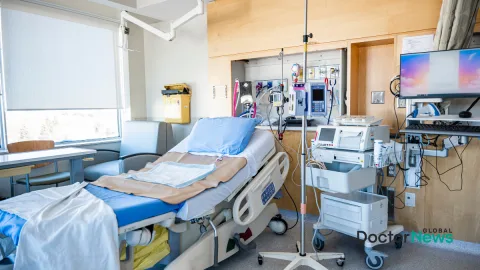
How medical device innovation works: needs identification, prototyping, design controls, risk management, clinical evaluation, regulatory approval and adoption.

Medical diagnostics explained: laboratory tests, molecular and point-of-care diagnostics, imaging, sensitivity and specificity, screening, and companion diagnostics.

Artificial intelligence in healthcare: where AI is used, what the evidence shows, regulation of AI medical devices, bias and safety risks, and governance requirements.
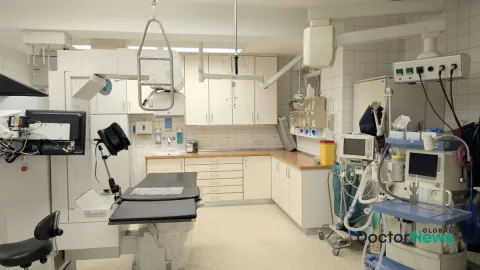
Digital health explained: telehealth, EHRs, mHealth, wearables, remote monitoring and health data — what the technologies do and what evidence supports them.

How AI supports medical diagnosis and clinical decision-making: imaging, pathology, ECG, risk prediction, validation requirements, and clinician oversight.
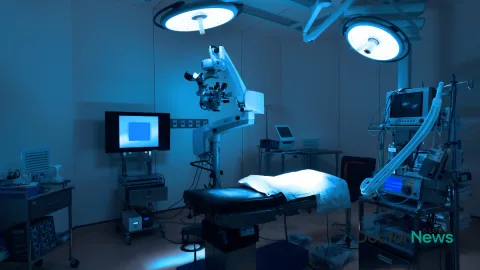
Remote patient monitoring explained: devices, clinical uses in heart failure, diabetes and hypertension, evidence, workflow design, reimbursement and risks.
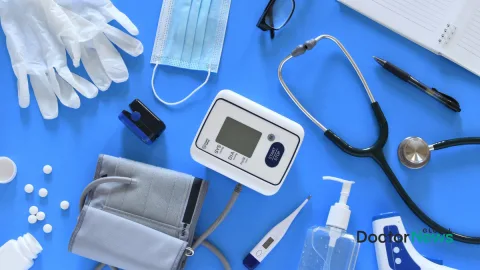
How health systems share patient data: interoperability levels, HL7 FHIR, SNOMED CT, LOINC, DICOM, health information exchange, privacy law and barriers.
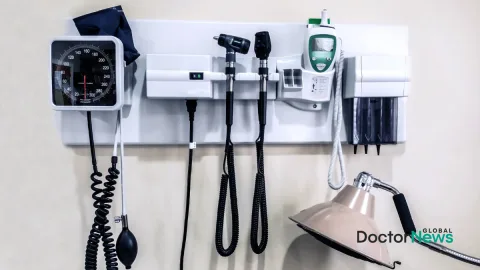
How healthcare systems work: financing models, levels of care, providers, regulation and how single-payer, insurance-based and mixed systems differ worldwide.